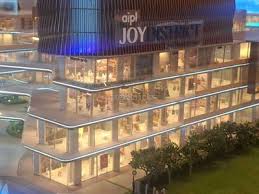
Top Commercial Investment Opportunities in Gurgaon: AIPL Joy Central & Joy District
Gurgaon has shed its old identity as Delhi's overflow market. Over the past decade, sustained infrastructure investment, dense residential delivery, and a steady flow of corporate occupiers have turned it into one of North India's most closely watched commercial real estate destinations. Projects like AIIPL Joy Central reflect exactly that shift—Grade-A mixed-use assets that are now among the most actively discussed investment opportunities in the city, attracting capital from both institutional buyers and individual investors who once looked only at Delhi or Noida.
Three corridors carry most of that momentum. Golf Course Extension Road has matured into a premium address, lined with luxury housing from developers like Emaar, M3M, and Puri. Southern Peripheral Road (SPR) holds the mid-city together, linking key sectors and keeping traffic reasonably fluid. Dwarka Expressway has done something more significant—it's opened New Gurgaon to large-scale planned development and brought the international airport within practical daily commute range for Sector 88 residents.
Buyer behavior has shifted alongside the market. Grade-A mixed-use developments—projects that place retail, dining, entertainment, and office space on a single site—are absorbing capital that once went to standalone office blocks or conventional enclosed malls. Advance India Projects Limited (AIPL) has built a credible track record in exactly this segment: modern architecture, mixed-use planning, and a record of actually delivering on schedule.
This article examines two AIPL projects worth a close look: AIPL Joy Central in Sector 65 and AIPL Joy District in Sector 88. Each serves a different investor need, and understanding that distinction matters before you commit any capital.
High-Street vs. Malls: What's Actually Changed
How Retail and Office Formats Have Shifted
Enclosed malls dominated Gurgaon's retail market for close to two decades. Open-concept, high-street formats have been gaining serious ground since then, and the reasons behind that shift are practical.
High-street developments typically offer street-level visibility that puts a brand directly in front of passing traffic, with no internal mall corridors diluting the impression. Double-height shopfronts increase usable display height and make signage legible from a greater distance. Common area maintenance charges—a recurring complaint among enclosed mall tenants, where shared facility costs can quietly eat into margins—tend to run lower in high-street formats. Pedestrian access is also simpler in catchments where residents arrive by foot, auto, or two-wheeler rather than driving to a dedicated parking structure.
For investors, those leaner tenant operating costs can mean lower churn and steadier rental income over time.
Why Micro-Locations Shape Your Outcome
Gurgaon isn't a uniform market. It's a collection of micro-markets, each at a different stage of maturity, each attracting a different buyer profile.
Sector 65 sits inside an established luxury residential belt along Golf Course Extension Road. High-net-worth households already live here—projects by M3M, Emaar, and Trump Towers are within the immediate catchment. Footfall potential exists from day one of operations, which is not something you can say about most emerging corridors.
Sector 88, positioned along the Dwarka Expressway belt, is a different kind of opportunity. It's a high-density master-planned zone where a large share of the value story depends on residential delivery over the next several years. The upside can be substantial; so can the patience required to get there.
Choosing the right micro-location shapes your income timeline, your entry price, and how long you'll need to hold before the investment performs as underwritten.
Deep Dive: AIPL Joy Central (Sector 65, Gurgaon)
Location Dynamics
AIPL Joy Central Sector 65 Gurgaon sits near the junction of Golf Course Extension Road and SPR—two of the city's most established corridors. That positioning gives the project dual exposure: frontage on a premium arterial road and practical connectivity in multiple directions.
Sector 65 and its neighboring sectors rank among Gurgaon's most affluent residential pockets. Households within a short radius carry high discretionary spending, which is precisely the catchment that international retail brands and premium food-and-beverage operators actively seek. Connectivity to Sohna Road, Golf Course Road, and the Cyber City business district adds a white-collar office-goer audience on top of that residential base—a useful combination when you're trying to attract anchor tenants.
Design and Commercial Ecosystem
AIPL Joy Central Gurgaon follows a multi-tier mixed-use model. It brings together high-street retail across ground and upper floors, dining and food court zones designed to encourage longer dwell times, a multiplex, and Grade-A office space for businesses that want a recognized Gurgaon address.
Double-height shopfronts run through the project, giving occupiers more display real estate and better street visibility than a standard single-floor unit can deliver. Open plazas and dedicated entertainment zones support the kind of repeat-visit pattern that keeps a commercial asset leased and productive over time, rather than just drawing a crowd at launch and fading.
Investment Highlights
What makes AIPL Joy Central stand out for income-focused investors is relatively clear: the demand base exists right now, not at some projected future date.
-
Thousands of affluent households live within a short drive, providing an immediate footfall base that newer corridors have to build from scratch over years
-
International retailers and premium F&B operators actively target this type of catchment—which affects both the speed of leasing and the caliber of tenants you can realistically attract
-
Corridor frontage and double-height units appeal to brand-conscious tenants who need visibility, which tends to give landlords more leverage in lease negotiations
-
Rental yield potential in established catchments like Sector 65 typically stabilizes faster than in emerging zones, though actual figures will depend on unit size, floor, lease structure, and market conditions at the time of letting
Investors who want predictable early income and a location that's already proven should look here before anywhere else.
Deep Dive: AIPL Joy District (Sector 88, Gurgaon)
Strategic Location Advantage
AIPL Joy District Sector 88 Gurgaon is positioned as a large-scale commercial destination within the Dwarka Expressway belt—an area that has drawn significant infrastructure investment over the past several years. Access points include the expressway itself, NH-48, and Pataudi Road, connecting the sector to central Gurgaon, Delhi, and the airport zone.
Connectivity here will continue improving as the corridor matures. Early investors in comparable Gurgaon corridors—SPR and Sohna Road are the clearest precedents—have generally seen meaningful capital appreciation as surrounding residential projects completed and occupancy rose. Sector 88 is moving through an earlier version of that same sequence now.
Master Planning and Design
AIPL Joy District is planned at a scale that's relatively unusual in New Gurgaon. Publicly available details point to a mix of retail shops, shop-cum-office (SCO) units, a food court, a multiplex, and office suites, with unit sizes reportedly ranging from 500 sq ft to 7,000 sq ft. That range gives investors with different budgets a way to participate without being locked into a single format.
Architecturally, the project features expansive glass facades, central courtyards, and wide internal walkways. Wide walkways aren't just cosmetic—they support higher pedestrian density, which matters when you're underwriting income from a food court or entertainment anchor.
Investment Potential and Growth Drivers
What actually drives the opportunity at AIPl Joy District comes down to timing within the corridor's growth cycle.
-
Commercial assets in emerging zones tend to appreciate most sharply during the 3–7 year window after surrounding housing is delivered and occupied—Sector 88 is moving through that window now
-
Several large residential projects in adjacent sectors are nearing completion, which will add a permanent resident catchment to the area rather than relying purely on pass-through traffic
-
Infrastructure spending along Dwarka Expressway continues, with improved road and metro connectivity expected to increase the zone's commercial pull as the decade progresses
-
SCO units, in particular, have drawn strong investor interest across New Gurgaon for the flexibility they offer—operate the space yourself, lease it on your terms, or hold for appreciation
One thing worth flagging directly: investors sometimes underwrite emerging corridors as if the income profile of a mature market will appear immediately. Rental income in Sector 88 may take two to four years to stabilize. Model that into your holding period before you sign anything.
Comparative Analysis: Which Project Fits Your Portfolio?
|
Factor |
AIPL Joy Central (Sector 65) |
AIPL Joy District (Sector 88) |
|
Corridor |
Golf Course Extension Road / SPR |
Dwarka Expressway belt |
|
Market stage |
Established, mature |
Emerging, high-growth |
|
Catchment |
Existing HNI residential base |
Rapidly growing residential base |
|
Primary strength |
Rental stability, early income |
Long-term capital appreciation |
|
Ideal investor |
Income-focused, lower risk tolerance |
Growth-focused, longer holding horizon |
Risk vs. Return
Sector 65 delivers more predictable income from an earlier stage, but entry prices reflect that maturity—you're paying for certainty. Sector 88 carries a longer stabilization curve in exchange for potentially stronger appreciation as the corridor fills in around the asset.
Holding positions in both isn't an unusual strategy among experienced commercial investors in Gurgaon. One asset generates current income; the other builds value quietly in the background.
Strategic Guidance Before You Invest
Commercial real estate rewards preparation, and Gurgaon is no exception. Before committing to any unit, work through these considerations carefully.
-
Lease terms: Understand rent escalation clauses and what happens at renewal. A 5% annual escalation versus a 15% step-up every three years can significantly change your yield projections over a 10-year hold.
-
Lock-in periods: How long are tenants contractually committed? Shorter lock-ins increase churn risk in early-stage projects, and a vacant unit in year two is an outcome worth pricing in upfront.
-
Tenant profile: A recognized anchor—a national food chain, a known retail brand—tends to draw secondary tenants and lift footfall across the whole asset, not just its own unit.
-
Possession timeline: For under-construction inventory, check the RERA-registered completion date against the developer's actual delivery history on past projects. These two numbers don't always match.
-
Documentation: Verify RERA registration, building plan approvals, and occupancy certificates where applicable. Do this before funds move, not after.
Working with an experienced advisory firm can reduce friction across each of these areas, particularly when you're comparing multiple units across two projects with different risk profiles.
AIPL's commercial portfolio addresses two distinct investor needs within the same city. AIPL Joy Central gives you an established location with a ready HNI catchment, strong corridor visibility, and income potential that doesn't require years of corridor development to materialize. AIPL Joy District gives you early positioning in a fast-growing zone where the appreciation story is still unfolding and the entry window remains open.
Neither is the automatic right answer. Your holding period, income requirements, and appetite for early-stage risk should drive that decision—not the marketing materials. For site visits, current unit availability, and a detailed investment plan, the advisory team at Milestone Realty can walk you through both projects and help you match the right asset to your actual goals.